





Haute Couture
"Haute Couture" is an exclusive and prestigious fashion showcase that unveils the epitome of artistic craftsmanship and luxurious design. It represents the pinnacle of sartorial excellence, where each garment is meticulously handcrafted to perfection by master artisans. Embracing opulence and innovation, Haute Couture transcends fashion boundaries, making an indelible mark on the world of style.
Haute Couture Calendar:
Month: January
Event: Grand Opening Gala
Date: January 15th
Description: A glamorous soirée inaugurating the Haute Couture week. Celebrities, designers, and fashion enthusiasts gather to celebrate the artistry of couture with a red carpet affair, live performances, and a showcase of exquisite designs.
Month: March
Event: Couturier Workshops
Date: March 5th - March 10th
Description: Immersive workshops led by renowned couturiers, providing an inside look into the creation of couture masterpieces. Participants will learn about hand-sewn embellishments, fabric manipulation, and embroidery techniques.
Month: May
Event: Couture Runway Showcases
Date: May 20th - May 24th
Description: A series of runway shows featuring collections from leading couture houses. Designers present their latest creations, merging art, innovation, and fashion. Exclusive front-row invitations for industry insiders and fashion aficionados.
Month: July
Event: Couture Exhibition
Date: July 8th - July 15th
Description: An immersive exhibition where guests can marvel at the intricate details of couture garments up close. Experience the fusion of tradition and modernity as timeless pieces share the stage with cutting-edge designs.
Month: September
Event: Couture Salon
Date: September 28th - September 30th
Description: A private salon showcasing the latest couture collections to discerning clients. Attendees can preview and order bespoke pieces, engage with designers, and witness the creation of personalized couture.
Month: November
Event: Couture Gala and Awards
Date: November 12th
Description: The culmination of Haute Couture week with an elegant gala and awards ceremony. Recognizing outstanding contributions to couture artistry, this evening celebrates creativity and craftsmanship.
Join us in celebrating the art of Haute Couture – where fashion becomes a canvas for expression and innovation, creating garments that are more than just clothing; they are wearable works of art.
Technology
"Technology" refers to the collection of tools, techniques, methods, and systems that are used to create, modify, and utilize goods and services for various purposes.
It encompasses a wide range of knowledge and skills that are applied to solve problems, achieve goals, and improve efficiency in various fields.
Technology can be divided into different categories:
Information Technology (IT):
This includes computer systems, software, hardware, networks, and the management of digital information.
Communication Technology:
This involves the technology used for communication, such as telephones, mobile devices, internet, and wireless communication systems.
Biotechnology:
Biotechnology involves the use of biological systems, organisms, or derivatives to develop new products or processes. This includes fields like genetic engineering and pharmaceuticals.
Medical Technology:
This area focuses on tools and equipment used in the medical field, including medical devices, imaging systems, and healthcare software.
Transportation Technology:
Transportation technology encompasses various modes of transportation, such as automobiles, airplanes, trains, and ships, as well as infrastructure like roads and airports.
Energy Technology:
This includes technologies related to energy production, distribution, and consumption, such as renewable energy sources, power grids, and energy-efficient appliances.
Industrial Technology:
Industrial technology involves processes, equipment, and systems used in manufacturing and production, such as automation, robotics, and quality control.
Environmental Technology:
Environmental technology focuses on technologies aimed at addressing environmental issues, such as waste management, pollution control, and sustainable practices.
Agricultural Technology:
Agricultural technology includes innovations in farming practices, crop cultivation, livestock management, and agricultural machinery.
Space Technology:
Space technology involves technologies used for space exploration, satellite communication, and research in outer space.
Construction Technology:
Construction technology encompasses tools, equipment, and methods used in construction and building projects.
Entertainment Technology:
Entertainment technology covers areas like gaming, multimedia, virtual reality, and augmented reality.
These categories are just a few examples, and technology is continuously evolving and expanding into new areas. It plays a crucial role in shaping economies, societies, and individual lives by enabling innovation, progress, and improved quality of life.
SEO
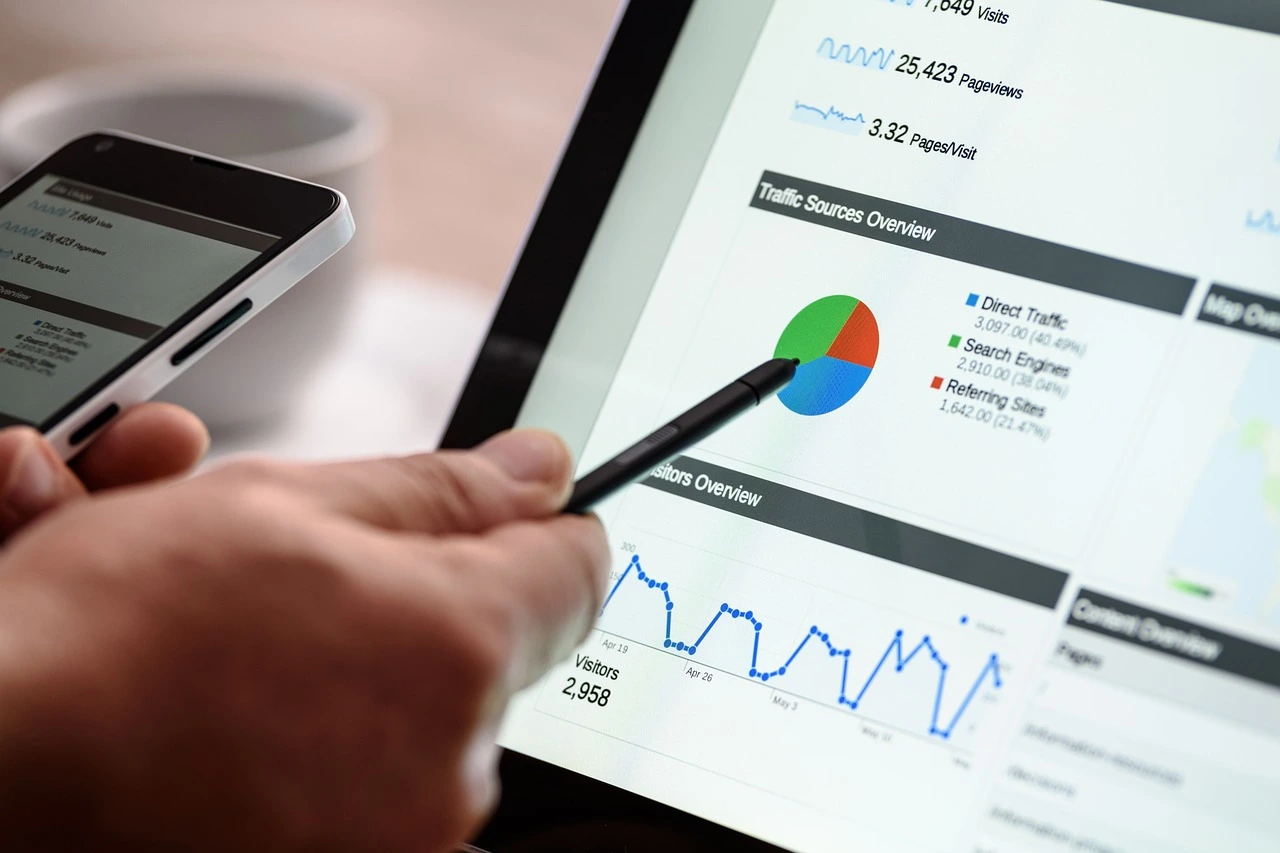
"SEO" stands for Search Engine Optimization. It refers to the practice of optimizing a website, its content, and various online elements to improve its visibility and ranking on search engines like Google, Bing, and Yahoo. SEO is crucial for enterprises because it helps them attract organic (non-paid) traffic to their websites, increase brand awareness, and generate potential leads and customers.
There are several types of SEO that enterprises can focus on to improve their online presence:
On-Page SEO: This involves optimizing individual web pages to make them search engine-friendly. It includes optimizing content, titles, meta descriptions, headings, images, and internal linking within the website.
Off-Page SEO: Off-page SEO focuses on activities outside the website that can influence its search engine rankings. This includes building high-quality backlinks, social media marketing, influencer outreach, and online reputation management.
Technical SEO: Technical SEO involves optimizing the technical aspects of a website to improve its crawling and indexing by search engines. This includes improving website speed, mobile-friendliness, site structure, XML sitemaps, and schema markup.
Local SEO: Local SEO is important for enterprises with physical locations. It focuses on optimizing a website to appear in local search results. This includes optimizing Google My Business profiles, local citations, and encouraging customer reviews.
E-commerce SEO: For enterprises that sell products online, e-commerce SEO involves optimizing product pages, product descriptions, user experience, and implementing structured data for enhanced product visibility in search results.
Voice Search SEO: With the rise of voice assistants like Siri and Alexa, voice search optimization is becoming important. It involves optimizing content to match natural language queries that users might use in voice searches.
Video SEO: Video content is increasingly popular. Video SEO involves optimizing videos on platforms like YouTube to improve visibility and engagement.
To improve SEO for enterprises, here are some strategies:
Keyword Research: Identify relevant keywords and phrases that your target audience is likely to search for. Use tools like Google Keyword Planner to find valuable keywords.
High-Quality Content: Create valuable, informative, and engaging content that addresses the needs and interests of your target audience. Quality content attracts both users and search engines.
Optimize On-Page Elements: Ensure that your titles, meta descriptions, headings, and images are optimized for relevant keywords.
Mobile Optimization: Make sure your website is responsive and mobile-friendly, as Google considers mobile-friendliness a ranking factor.
Build Quality Backlinks: Acquire high-quality backlinks from authoritative websites within your industry. Backlinks are a significant ranking factor.
Improve Page Speed: A fast-loading website enhances user experience and is favored by search engines.
Local SEO Optimization: If applicable, optimize your local presence with accurate business information, local citations, and customer reviews.
Regular Updates: Keep your website and content up-to-date to show search engines that your site is active and relevant.
Monitor and Analyze: Regularly monitor your website's performance using tools like Google Analytics and Search Console. Analyze data to identify areas for improvement.
Stay Informed: Stay updated with the latest SEO trends and algorithm updates to adapt your strategies accordingly.
SEO is an ongoing process that requires consistent effort and adaptation. It's essential for enterprises to invest in SEO to ensure their online visibility and competitiveness in the digital landscape.
IA's
An Intelligent Agent System (IAS) is a term used in the field of AI to describe software entities or systems that exhibit autonomous behavior and are capable of interacting with their environment to achieve specific goals or tasks. These agents can perceive their environment, reason about it, make decisions, and take actions to achieve their objectives. They are designed to operate in dynamic and changing environments, adapting their behavior based on the information they receive.
IAS can be applied to various domains, including robotics, automation, game playing, data analysis, virtual assistants, and more. Here are a few examples:
Robotic Agents:
Autonomous robots that navigate physical environments, make decisions based on sensor data, and perform tasks such as object manipulation or exploration.
Game-Playing Agents:
AI agents designed to play and excel in games, such as chess, Go, or video games. These agents use strategies and tactics to make decisions that maximize their chances of winning.
Autonomous Vehicles:
Self-driving cars that use sensors and AI algorithms to perceive their surroundings, make driving decisions, and navigate safely.
Virtual Assistants:
AI-powered virtual assistants like Siri, Alexa, or Google Assistant. These agents understand natural language, process user requests, and provide relevant information or perform tasks.
Smart Home Systems:
Home automation systems that control devices based on user preferences and environmental conditions, such as adjusting thermostats, lights, and appliances.
Recommendation Systems:
AI agents that analyze user behavior and preferences to make personalized recommendations, such as in streaming platforms or e-commerce websites.
Intelligent Agent Systems often utilize techniques from machine learning, natural language processing, computer vision, and other AI subfields to enhance their decision-making capabilities. These systems contribute to the development of advanced AI applications that can operate independently and effectively in complex and dynamic environments. It's important to note that the term "IAS" may not be universally recognized by everyone in the AI field, as it could be specific to certain contexts or discussions. However, the concept of intelligent agents is a fundamental and widely studied topic in the field of Artificial Intelligence.
Activity: Developed by Google Brain, TensorFlow is an open-source deep learning framework widely used for building and training various machine learning models, especially neural networks.
Use: TensorFlow is popular in various applications, such as computer vision, natural language processing, speech recognition, and reinforcement learning.
Activity: Developed by Facebook's AI Research lab (FAIR), PyTorch is an open-source deep learning framework known for its dynamic computation graph and ease of use.
Use: PyTorch is widely adopted by researchers and developers due to its flexibility and efficient execution, especially in academic and research settings.
Programming
In programming, a framework is a pre-established and reusable infrastructure that provides a foundation for developing software.
A framework consists of a set of tools, libraries, standards, and conventions that enable developers to create applications more efficiently by offering a solid and consistent development structure.
Frameworks are useful because they allow developers to focus on the specific logic of the application rather than having to worry about building common components and basic functionalities from scratch. Some key aspects of frameworks include:
Predefined Architecture: Frameworks often have a predefined architecture in which developers can build their applications. This helps maintain consistency in the application's structure.
Code Reusability: Frameworks typically provide reusable libraries and modules that address common issues in software development, such as database handling, routing, authentication, form handling, etc.
Productivity: By providing ready-to-use tools and utilities, frameworks enable developers to write less repetitive code and focus on more important and specific aspects of the application.
Maintainability: Frameworks often promote good development practices and offer proven structures that make expansion, maintenance, and code collaboration easier.
Scalability: Frameworks are designed to handle applications of all sizes, from small to large and complex, making it easier to scale as the project grows.
Popular examples of frameworks include:
Django: A Python framework for web development.
Ruby on Rails: A Ruby framework for web development.
Angular: A JavaScript framework for building single-page web applications (SPAs).
React: A JavaScript library for building interactive user interfaces.
Laravel: A PHP framework for web development.
Spring: A Java framework for enterprise application development.
In summary, a framework is an essential tool in software development that helps programmers build applications efficiently, consistently, and following good development practices.
Tractors
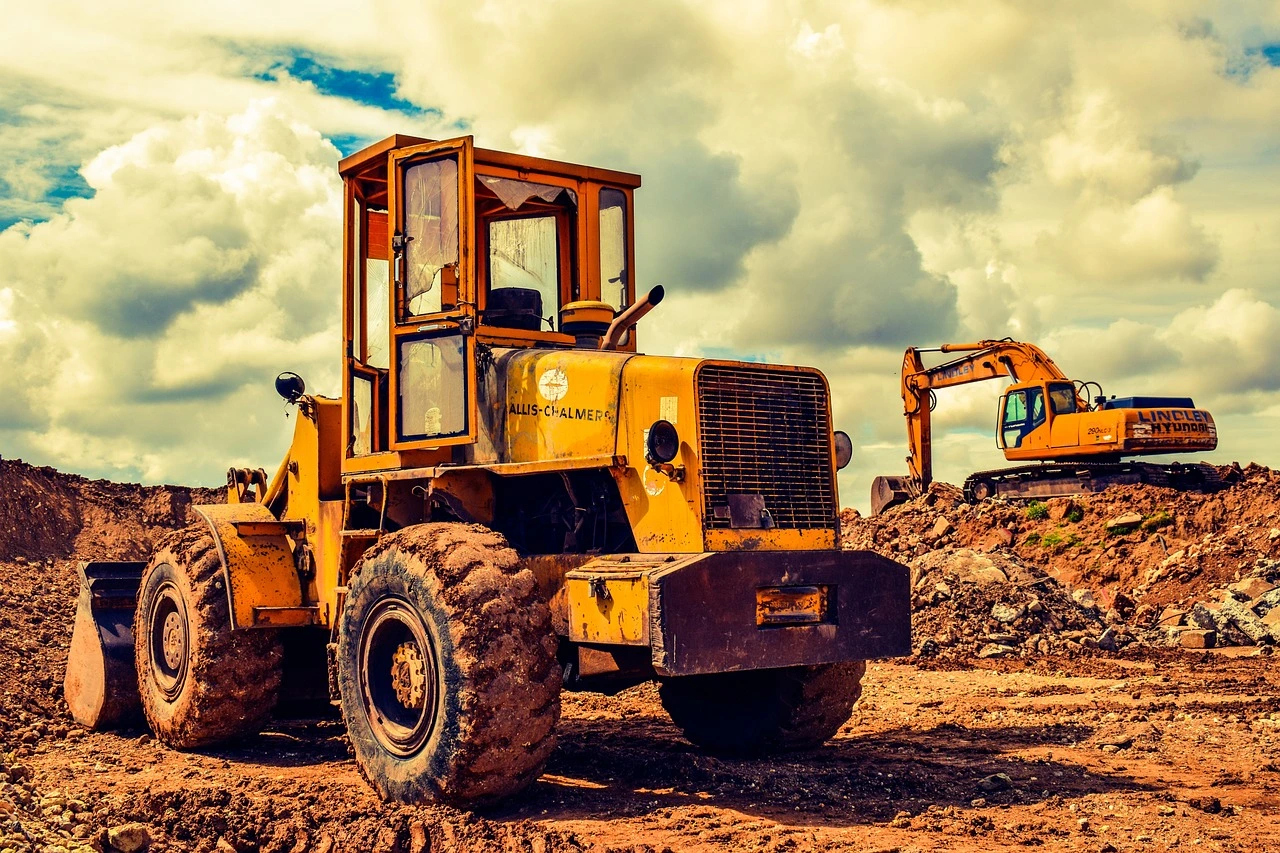
In the evolving landscape of transportation, tractors have emerged as unexpected yet indispensable players in shaping the future. Beyond their traditional role in agriculture, these powerful machines have taken on new roles, propelling us toward a more sustainable, efficient, and interconnected world. With advancements in technology, tractors have undergone a remarkable transformation. Equipped with sophisticated sensors, precision GPS systems, and autonomous capabilities, modern tractors are no longer confined to the fields; they are charting new courses on roads, construction sites, and beyond. In the realm of construction, tractors have become the backbone of large-scale projects, such as building bridges that span vast waterways or erecting towering skyscrapers that touch the sky. Their sheer strength and versatility make them ideal for moving heavy materials, shaping landscapes, and laying the groundwork for our cities' expansion. But the impact of tractors extends far beyond bricks and mortar. These workhorses are playing a pivotal role in the green revolution, powering eco-friendly initiatives that reduce emissions and minimize environmental impact. Electric and hybrid tractors are taking center stage, ushering in a cleaner era of transportation and construction. Imagine a bustling construction site where the rumble of diesel engines has been replaced by the quiet hum of electric tractors. Picture a cityscape where towering wind turbines, powered by clean energy, owe their existence to these tireless machines. Tractors are not just building structures; they are building a more sustainable future. As we look ahead, tractors are poised to shape the next chapter in transportation's evolution. They are the unsung heroes of progress, forging a path toward innovation, efficiency, and environmental responsibility. Their journey from the fields to the forefront of modern development is a testament to human creativity and adaptability. Tractors are no longer confined to plowing fields; they are plowing through barriers, paving the way for a future where transportation is not only efficient but also harmonious with the planet. These machines are not just tools; they are the embodiment of a vision—a vision where tractors are driving us toward a better tomorrow.
Stretching gracefully across the expanse of the San Francisco Bay, the Golden Gate Bridge stands as an awe-inspiring testament to human ingenuity and ambition. With its distinctive orange hue and sweeping Art Deco design, this iconic structure is not just a bridge; it's a symbol of a city's spirit and a marvel of modern engineering.
Rising 746 feet above the water's surface and spanning 1.7 miles, the Golden Gate Bridge was a bold vision that transformed the landscape of San Francisco forever. Conceived during an era of economic hardship and skepticism, the bridge's construction defied the odds and captured the hearts of a nation.
The challenge was immense, as the bridge needed to withstand not only the relentless forces of nature, including the bay's powerful tides and frequent earthquakes, but also the weight of expectations. A dazzling dance of engineering feats ensued, where hard work, innovation, and a commitment to perfection were the choreography.
Amidst the din of riveters and the clanging of steel, the Golden Gate Bridge gradually took shape. A marvel of suspension engineering, its two main towers rise proudly, anchored to the bedrock beneath the bay. Gigantic cables, each comprised of thousands of individual wires, were meticulously spun and meticulously placed, bearing the immense load of the roadway.
Every inch of the bridge is a testament to precision. From the carefully calculated curves of the art deco towers to the impeccable welds that hold the structure together, every detail reflects the unwavering dedication of the engineers and workers who labored tirelessly to make the vision a reality.
Today, the Golden Gate Bridge stands as a beacon of human achievement. It not only connects the city of San Francisco to Marin County but also bridges the gap between generations, inspiring wonder and admiration in all who gaze upon it. Its silhouette against the setting sun, the steady stream of traffic crossing its expanse, and the indomitable spirit it embodies have made it an enduring symbol of innovation and possibility.
As we traverse its span, we walk in the footsteps of dreamers, pioneers, and those who dared to reach for the sky. The Golden Gate Bridge is more than just a link between two points; it's a link between the past, the present, and the future—a testament to the power of human imagination, perseverance, and the ability to overcome the greatest of challenges.
Lathes and Milling 's parts
Creating parts for lathes and milling machines involves several steps and considerations. Here's a more detailed guide:
For Lathe (Torno) Parts:
Design: Use Computer-Aided Design (CAD) software to create a detailed design of the part you want to make. Consider dimensions, features, and materials.
Material Selection: Choose a suitable material based on the part's function and properties like strength, durability, and machinability.
Stock Preparation: Obtain a piece of raw material (bar stock) in the required dimensions. Ensure it's clean and free from defects.
Mounting: Secure the stock material in the lathe's chuck or collet. Make sure it's properly centered and aligned.
Turning: Use appropriate turning tools to remove excess material and shape the part according to the design. Turning involves rotating the material against a cutting tool.
Facing: Create a flat surface on the end of the part using facing tools.
Drilling and Boring: If needed, use drilling and boring tools to create holes and internal features.
Threading: Use threading tools to add threads if the part requires them.
Parting Off: Cut the finished part from the stock material using parting tools.
Finishing: Use finer cutting tools for a smoother surface finish.
Deburring: Remove any sharp edges or burrs from the part.
Quality Control: Measure the dimensions of the part using precision measuring tools to ensure it matches the design specifications.
For Milling Machine Parts:
Design: Create a detailed design using CAD software, considering part features, dimensions, and tolerances.
Material Selection: Choose a material suitable for the part's function and machining requirements.
Stock Preparation: Obtain a piece of raw material (plate, bar, or block) with dimensions that accommodate the design.
Mounting: Secure the material on the milling machine's worktable using clamps or vises.
Tool Selection: Choose appropriate milling tools, such as end mills, based on the required operations (cutting, drilling, etc.).
Setup: Set up the milling machine by installing the correct tools and aligning the workpiece.
Milling Operations: Program the milling machine to perform various operations, such as facing, contouring, pocketing, and drilling.
Finishing Passes: Use finishing tools to achieve the desired surface quality.
Deburring: Remove any burrs or sharp edges created during machining.
Quality Check: Measure the part's dimensions and features using precision tools to ensure accuracy.
Assembly: If the part is part of an assembly, ensure it fits properly with other components.
Creating parts for lathes and milling machines requires careful planning, knowledge of machining techniques, tool selection, and attention to detail. Safety measures should be followed at all times, and the use of personal protective equipment (PPE) is essential when operating the machines. Additionally, familiarity with machine programming and operation is crucial for achieving accurate and quality results.
Flowers
Los Angeles, famously known for its glitz and glamour, is not just a haven for entertainment and culture but also home to a stunning array of flowers that paint the city in a riot of colors. From the lush gardens of the Getty Center to the charming streets of Pasadena, Los Angeles boasts a diverse and vibrant floral wonderland that captivates locals and visitors alike.
One of the city's most enchanting floral spectacles is the annual blooming of cherry blossoms at the Descanso Gardens in early spring. As the delicate petals unfurl, the gardens become a picturesque canvas of soft pinks and whites, attracting nature enthusiasts, photographers, and families seeking the perfect backdrop for their springtime outings.
Venturing further, the iconic Flower District in downtown Los Angeles beckons with its lively marketplaces and bustling flower shops. Here, you'll find an astonishing assortment of fresh blooms from around the world, ready to adorn weddings, special events, and everyday moments with their natural beauty and fragrance.
For a unique and immersive floral experience, the Los Angeles County Arboretum and Botanic Garden is a must-visit destination. Spanning over 127 acres, this living museum showcases a wide variety of native and exotic flowers. Stroll through the meandering paths, and you'll encounter rare orchids, blooming camellias, and striking desert wildflowers, creating an unforgettable symphony of colors and scents.
Not to be outdone, the Los Angeles Flower Market, the largest of its kind in the United States, showcases an astounding range of flowers, plants, and foliage. As the sun rises, the market comes alive with vendors and buyers seeking the freshest
brblooms for their businesses and events. The vibrant atmosphere and the fragrance of flowers in the air make this a sensory delight for everyone who sets foot in this floral paradise.
But it's not just the cultivated gardens and markets that offer an enchanting floral experience. Los Angeles is blessed with a diverse climate that supports various wildflowers and native plants, adding to the city's botanical allure. Whether it's the vibrant California poppies carpeting the hillsides or the majestic jacaranda trees lining the streets with their purple blossoms, nature's floral gifts are ever-present throughout the city.
So, whether you're a nature lover, a photography enthusiast, or simply someone seeking a moment of tranquility amidst the urban hustle, Los Angeles has something to offer in its blooming beauty. Take a leisurely stroll through its gardens, get lost in the fragrant alleys of the Flower District, or marvel at the city's wildflower wonders – each encounter with Los Angeles' flowers is a testament to the enduring charm and allure of Mother Nature's most exquisite creations in the City of Angels.
Now it's a good time to listen
Welding
Welding is important for various reasons due to its widespread applications across industries. Here are some key reasons why welding is important:
Manufacturing and Construction: Welding is essential in manufacturing and construction industries for joining metal components to create structures, machinery, vehicles, and infrastructure. It provides structural integrity and durability to these products.
Repair and Maintenance: Welding plays a crucial role in repairing and maintaining machinery, equipment, and infrastructure. It allows for the restoration of worn-out or damaged parts, extending the lifespan of valuable assets.
Automotive Industry: Welding is used extensively in the automotive sector for assembling vehicle components. It ensures the safety and stability of vehicles by creating strong bonds between parts.
Aerospace and Aviation: In the aerospace industry, welding is vital for crafting aircraft components that can withstand extreme conditions. It contributes to the construction of lightweight, high-strength structures.
Energy Sector: Welding is crucial in the energy sector for the fabrication and maintenance of pipelines, power plants, and renewable energy infrastructure like wind turbines and solar panels.
Shipbuilding: Welding is a foundational process in shipbuilding, enabling the construction of large vessels that can navigate various water bodies while maintaining structural integrity.
Infrastructure Development: From bridges and buildings to railways and highways, welding is integral to constructing infrastructure that supports modern society.
Medical Equipment: Welding is used to create precision medical equipment, ensuring the safety and effectiveness of devices used in healthcare.
Art and Sculpture: Welding also extends to the realm of art and sculpture, allowing artists to create intricate and innovative metalwork pieces.
Innovation and Research: Welding technology continues to advance, leading to innovative materials, techniques, and applications that drive progress in various fields.
In essence, welding is a cornerstone technology that connects industries and contributes to the development of products and infrastructure essential for our modern way of life.